
VIEWFINDING #43
Laura Pannack: The Journey Home

Hello, it’s been some time since the last VIEWFINDING transmission, and there’s a good reason for this. In early 2025, I was approached with the proposition of joining the team of a new magazine as a photography editor. The ambition of Now Voyager is to publish original longform reporting, artwork, photography, and writing about books, the arts, travel, and food from around the world. Crucially for me, the founders recognise the power of good photography and art to enrich and expand the reach of the written word. It was an opportunity I could not pass by.
Here we are, a year or so later, the inaugural issue of Now Voyager is on newsstands and the second one at the printer. VIEWFINDING will become monthly and share the photographic content of Spectrum, the magazine’s in-house arts newsletter, which will provide insight into the artists and photographers featured in each issue. Expect insider perspectives, artist interviews, and a behind-the-scenes look at how the contributors create their work.
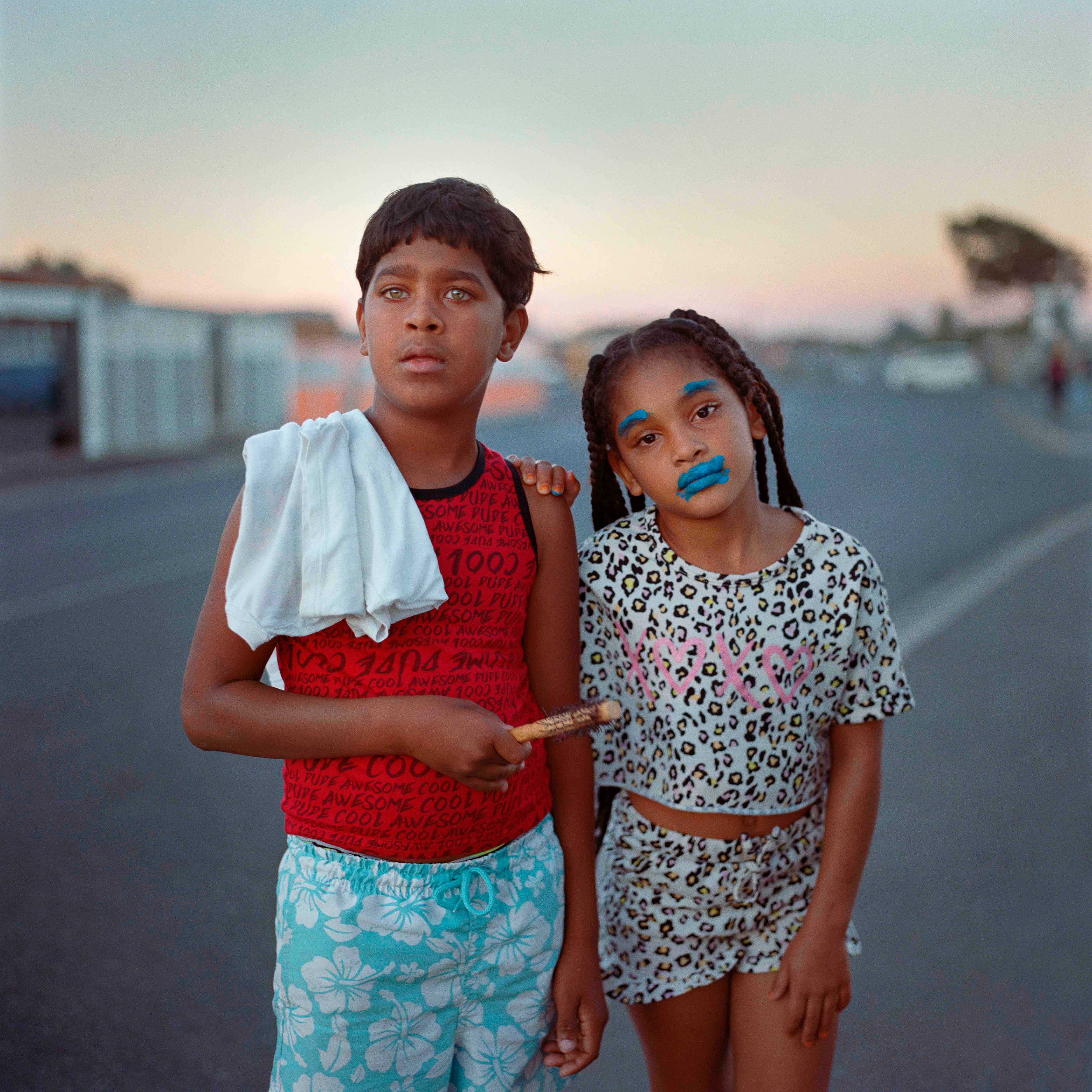
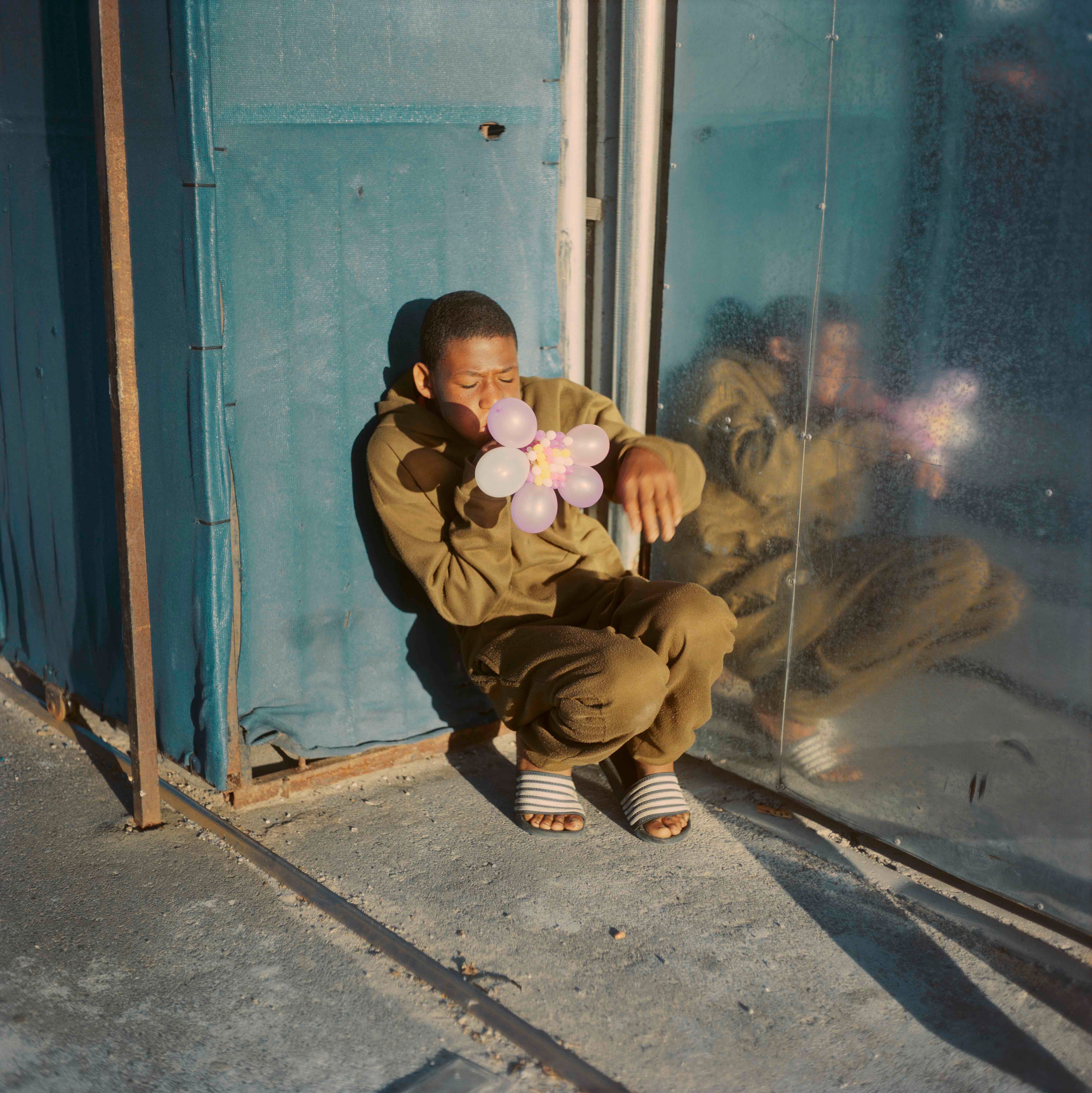
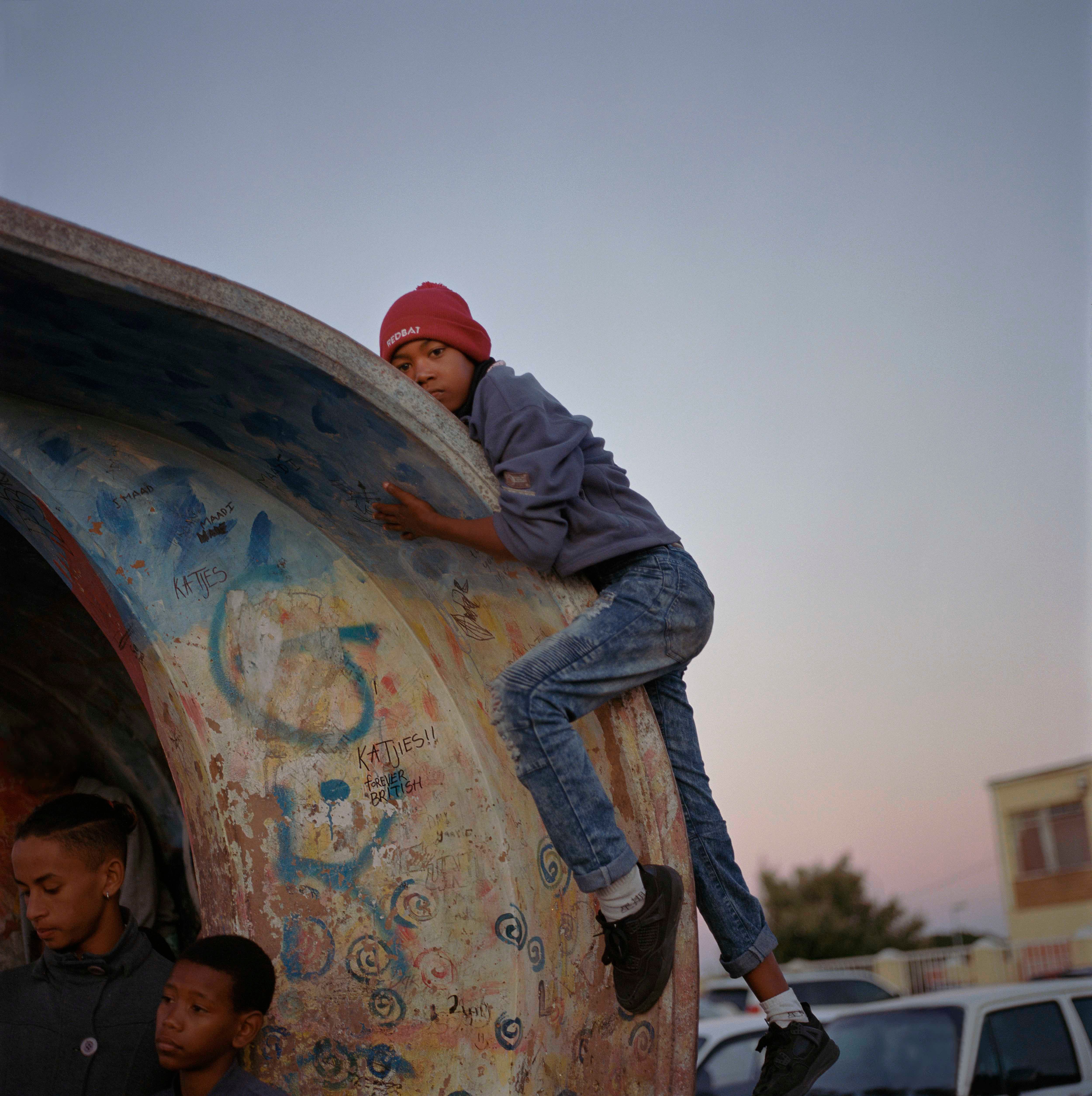
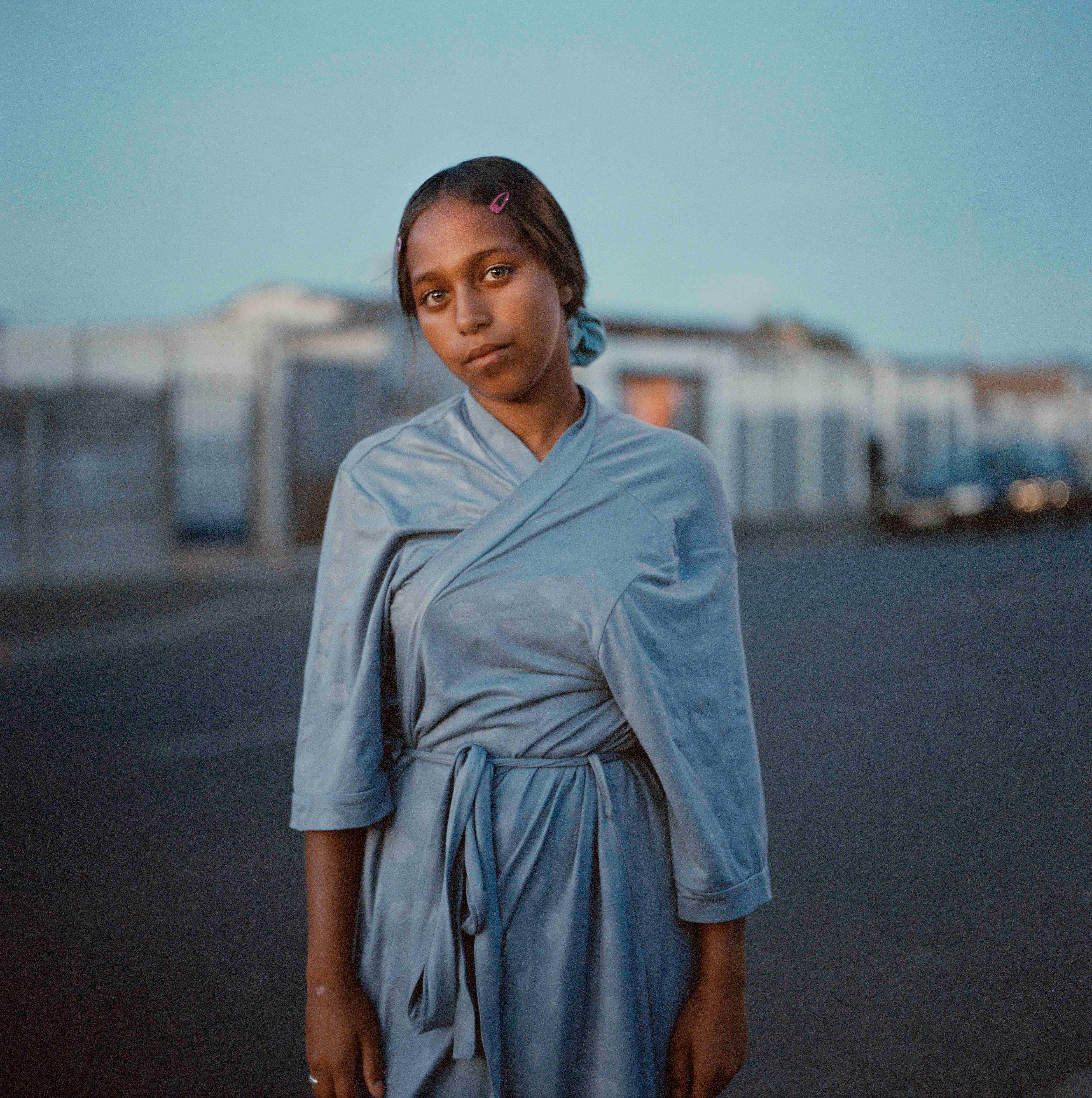
The launch issue features sixteen full-page images from Laura Pannack’s The Journey Home project, most of them previously unpublished. The London-based photographer’s series is an on-going document of the lives of students in Cape Town, South Africa, who must navigate perilous gang-controlled neighbourhoods as they make their way to and from school. The project received the Tom Stoddart Award for Excellence and placed first in the Perspectives category of the annual Sony World Photography Awards.
I recently spoke with Laura about the series. Our conversation has been edited for length and clarity.
Laura, what led you to start The Journey Home, and what is important to you about the project?
Whenever I start a project, it comes from a place of wanting to focus on simple human themes that most people can relate to. It could be an emotion like love, the feeling of time running out, or the universal experience of nudity, as we’ve all been naked.
I was thinking about how I often turn to adolescence in my work, and how this period of life fascinates me. I’m interested in transitions and the time when identities are formed. It’s also an age that I find quite triggering, as a lot happened for me personally then. I think artists usually start from something they’ve experienced or feel strongly about.
For this project, I wanted a framework and thought about the journey home from school, because it’s a wonderful reflection of the journey that we take from childhood to adulthood.
Did you have the concept for the project before you visited Cape Town and thought it would fit well there?
A few years ago, I was invited to do a short, six-week residency in South Africa, intended as the starting point for a project that would unfold over several stays. Then COVID hit, freezing all travel plans and giving me ample time to reflect on how I wanted to approach the opportunity. Once the pandemic had wound down, the invitation still stood, but I was told the work would have to be completed in a single trip. Knowing I couldn’t create it that way, I decided to use the funding to run workshops and treat the residency as a period of research.
I had some good advice from [South African photographer] Gideon Mendel. I said to him, “I’m going to Cape Town, my dad’s from there, but I’ve only been once and I don’t really know anything about the culture, and the last thing I want is for the project to feel like I just parachuted in.” Gideon’s advice was to avoid the townships and take things slowly.
I realized I needed a team, and that’s when I met Lauren Theunissen, a photographer based in Cape Town. I couldn’t have done this project without her.
What’s so invaluable about working with a local collaborator like Lauren is that they’re not perceived as a threat by the people you’re working with. But beyond that, she’s one of the most perceptive and thoughtful people I’ve ever met, deeply aware of our responsibility—not just as photographers, but as adults, as women, and as privileged people working in this context.
Lauren’s involvement extended far beyond production; she helped refine the artist’s statement and played a key role in shaping ideas, including decisions about what to shoot.
I’ve always considered your approach to be very much that of a fine artist, especially in the way you break projects down and examine their layers. Could you tell me a little about your process?
I use different tools and processes for each project. I might take a story and translate it into several different languages and then look at the meaning each language brings out in it. I might then strip down those lines of text and draw them out, to make a visual representation of the words.
I don’t want to just respond to what I see by being reactive. I could be dancing with the scene in front of me, but prior to that moment, I’ll already have spent months, sometimes years, exploring ideas and researching them. This could mean looking at paintings, reading Nabokov, Esther Perel, or Deborah Levy, or watching Larry Clarke films.
In November 2021, I was working on a project for the Passage Art-Residency-Programme in Germany that looked at the landscape, history, and culture of the Heide and Wittenberg regions. Every morning, before the shoot, I laid out about a hundred images of inspiration, mainly paintings and drawings. At the shoot, I responded in a very documentary way: I’d see light come through a window, so I’d wander into that room and stay there for a while to see if something happened. The images I shot were predominantly of a family cutting vegetables at the table in a beautiful soft light that had filtered through the window. But when I looked at the inspirational paintings and drawings again, I realizsed that the majority were still life images of fruits and vegetables. I had effectively preconditioned my subconscious and directed what my eyes would gravitate toward.
Fundamentally, the Journey Home series is about the beautiful innocence, naivety, and imagination of young people within their space. Yes, of course, it’s about the journey to and from school and the fear and anxiety that comes with that, especially in a dangerous place. In Cape Town, the crossfire from gangs is the greatest threat, and I believe that every young person should be able to grow up in safety. But what I find so interesting, and what my camera is drawn toward, is the beautiful element of play and how that still exists, even in precarious situations. It reminds me how imaginative kids are and how they own their spaces. How they find play, joy, friendship, and escape, despite the circumstances.
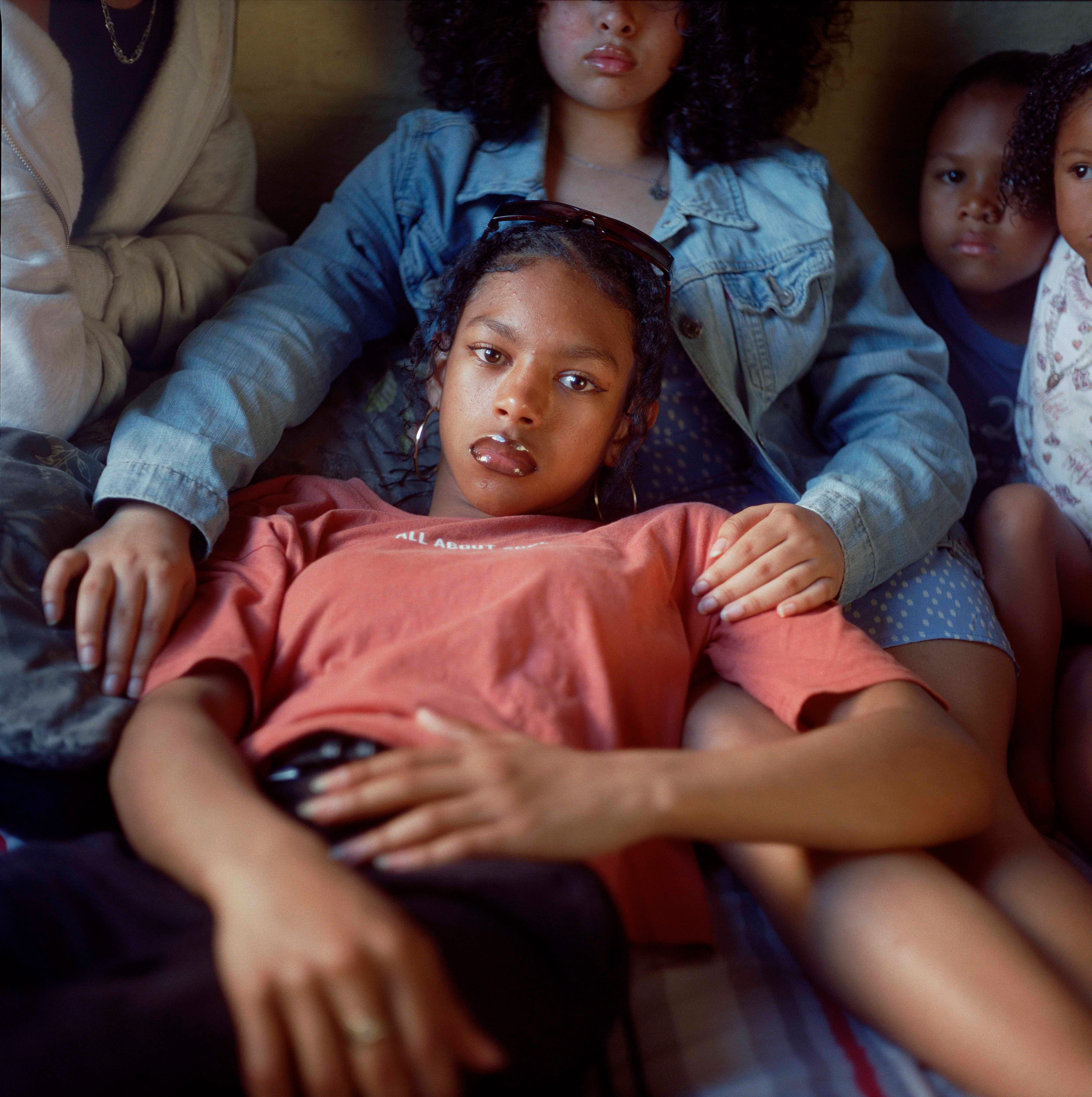
All images © Laura Pannack.
You can see more of Now Voyager and subscribe here.
A selection of Laura’s images from The Journey Home will be shown at the David Hill Gallery booth (B07) at Photo London, 13th to 17th May.
We will also present works by Alice Mann, Sanlé Sory, Mark Steinmetz, Larry Fink, and James Clifford Kent. Please message via the button below to receive a PDF of the all works that will be shown at the fair.